60: Holiday Travel with Autoimmune and Chronic Illness: Tips and Stress-Free Travel Strategies
Updated: Jan 30
Stacy Griffin: Welcome back to Autoimmune Adventures. The holiday season is here, which means travel, which means airports and road trips and long drives, family gatherings, and all of these are wonderful. In a lot of ways and terrible in other ways. So we know that travel can be stressful for anyone, but for those of us living with chronic illness and autoimmunity, the metal load is, is very different. It, it tracks differently.

Becky Miller: Between fatigue, dietary restrictions, temperature changes, stress, and the unpredictability of our bodies. Holiday travel can feel more like preparing for a siege than a celebration.
Stacy Griffin: And that's why today we're breaking things down. We are keeping it practical and doable. How you can travel smarter, how you can protect your energy and where you're going without sacrificing your health.
Because it's so often that we do sacrifice our health, because we want to meet everyone else's expectations. So to get that done today, we have two amazing friends who have joined us. To help us break it down for the holiday season,

Becky Miller: We're bringing in someone who knows what it's like to travel safely with chronic illness. You might remember Anthony heard from this season's episode 14, he shared his journey living with the autoimmune diseases ITP and fibromyalgia, and today he's going to join us to share how he creates a personal travel kit for his travel adventures, because he is a big traveler. He does a lot of trips.
He discusses how packing your own essentials for clothing, medication, and food and hygiene items can make travel during the holidays more manageable no matter what your chronic illnesses.
Anthony Heard: Well, I wrote down three separate lists of things. One was the clothing essentials, one's the medication essentials, and then one is the kind of snacks and um, uh, consumables if you like, because you know, however long a journey you take, you know, we, all of us are gonna need plenty of hydration and plenty of snacks, um, meals because with fibromyalgia, as you know, you get blood sugar issues, if you, you know, not eating and sensibly and at the right times. So I broke it down into those three things in terms of things to take.
But clothing, I mean, because it's at this time of year and I, uh, you know, have kind of. Uh, framed it all around the, the holiday season. Um, you know, clearly warm clothing and layers are key because, again, with fibromyalgia, you guys will know that, um, sadly, you know, we, we are not very good at controlling our temperature, so particularly hands and, uh, my feet are always very cold. So, um, but layers. But making sure that what you are wearing is natural material because again, uh, itching. Starts to become a problem with fibromyalgia if you've got, you know, um, clothing that isn't, um. That is man-made and isn't natural fibers, I find anyway. But again, we're all different. So, but that's just me.
Um, footwear, make sure I never take anything that I'm not familiar with. So, you know, in no circumstances would I buy a new pair of sneakers or shoes or something and then just take them with me, because I need to be sure that whatever I'm gonna be wearing I'm comfortable with already and supports me and is properly, um, accommodating of, of potential flareups of things.
Like, um, I get, uh, sciatica is one of the flareups I get. Um, another is plantar fasciitis. I dunno if I'm pronouncing that entirely right, but into my ankle has issues at times. So to avoid that and almost prepare for it, if you will. I try to make sure I've got, my footwear is all sorted out and, and, and similarly with, with my socks or hose you might call it in the states, you know, making sure that they're also padded and you know, appropriate.

Anthony Heard: So whatever you would do at home, make sure you are gonna do wherever it is you're going, you know, but be doubly sure because depending on where it is you're going to, you may not be able to get access to the things that, uh, you are familiar with. But other things, uh, clothing wise, gloves, scarves, um, and layers of the thing, you know, so t-shirts, sweats, sweats, and then over shirts and jackets and, you know, just things that you can discard if you are, are indoors, but then layer up if you are going out anywhere.
And prepare your route thoroughly to know, and also ahead of time knowing where you might be able to stop, um, you know, for rest stops. And also just to, because again, another factor with fibro is that you stiffen up, you know, you, it gets pretty achy for if you sit around for too long and in a car for more than I, I usually break it up into about an hour.

Anthony Heard: Before we need a stop, you know, just a stretch and, um, uh, and kind of, um, un, unwind everything, you know. Um, so we'll search that well ahead of time and know what it is you are getting at that rest stop. So again, making sure that any food you can buy is gonna be compatible with what you would normally have at home.
Um. All these things, you know, you build in over time, of course. And learn from when you didn't do it right the last time. Oh, sorry. On the clothing, I forgot. Sunglasses, that's another massive one. Um, because light sensitivity's awful with, um, fibro and, and on days, actually, like today it's been really bright, hence frost overnight, you know, so if you get this bright day, you're gonna get frost tonight, and the sun is very low as well.
So even when any, even without fibro driving in, it is quite difficult because the sun is so low at this time of year. Um, so yeah, don't forget those, you know. Um, then moving on to the medications. Obviously, make sure you've got everything that you would normally take at home, and we always take two lots of everything in case.

Anthony Heard: I mean, I take a lot in my kit bag. My wife takes a lot in her kit bag so that if one of us loses, uh, our bag, then the other one's still got the backup. Supplies, you know, so, and I always actually keep another lot in my cars. It's all the extras, isn't it that, I mean, I'm sure other folks will empathize with that.
And it's mainly for the fibro side. 'cause the ITP thing takes care of itself really. Um, but fibro, I, I mean I need moisturizing cream 'cause my skin gets very dry. Um, I need, I need my eye drops. 'cause again, my eyes can be dry. Particularly if you're in a house with central heating, it's pretty awful. Or air conditioning, it's also drying. Um. Then even things like shower gels, shampoos, um, has to be for sensitive skin because I can't, you know, dare use anything else because it will flare me up and I'll get rashes and itching and all sorts. Um, it's quite crazy really. Uh, but this is life, you know, but it shouldn't deter you.
That's the thing, you know, it shouldn't deter you all of this, uh, magnesium cream, 'cause I need that on my muscles. If I get, um, restless leg syndrome flare up. I don't get them very often, but if it does, then magnesium cream seems to be the only thing that shuts it down. I dunno how it works. I don't care really, but it does, it works. Um, then the other one is, um. Oh, I use something else called Deep Heat. I dunno if you've got an equivalent product in the States.
Becky Miller: Yeah, it's, we actually have that one our, our chiropractor uses it alot.
Anthony Heard: Yeah. Yeah.
Becky Miller: I was gonna say though, I don't know where you buy your magnesium cream, but I'm gonna have to look that one up because Yeah, I have the same problem. I get restless legs and cramps and, uh, it's awful.
Anthony Heard: Absolutely awful. Yeah, they tell me that hot bath will, will help, uh, or hot shower, but, um. It's so momentary there. I mean, for me, a hot bath will last for 10, 20 minutes. Uh, but magnesium cream also because it absorbs through the skin. It's one of those few minerals that does absorb through the skin.
It is very good for sleeping as well. It will actually get you to sleep. Um, so that's also a big help. Then extra medications, I put them in the medication thing, the Deep Heat. You can smell that wherever it is. It's awful smell, but. Again, it's an emergency thing for me. I don't use it that often. Um, my mouth guard, because of course I clench my teeth during the night, so, you know, that has to be sorted out.

Anthony Heard: Then I've got, oh, of course, a case for my mouth guard because they've gotta put it in something during the day. And of course there's the tablets to clean the mouth guard every day as well. So, you know, all these things. One thing leads to another half a dozen things, doesn't it? As we, we'll see as we get on aftershave, obviously has to be only sensitive aftershave balm 'cause the rest will flare my skin up.
Um, arnica gel, that's also quite useful if you do get a bruise. Um, and this is another part of the issue with going anywhere. Don't, I'd say research, but don't get bogged down too much in, in things that you don't already do, because you know you could find yourself just going down a rabbit hole with some of the things that other people do.
Stacy Griffin: Yeah.
You have to do what is right for you. Uh, and we always emphasize this. This is not medical advice. This is just what works for us. This is my routine. It's an awkward routine, but it nevertheless serves me well at the moment. And it might change, it could well do as I get older or some other things change or, or, or become, uh, prevalent.
I don't know. So then other things to take, again, we're still on the medication nonsense. Sunscreen, that's another one. Even if it is winter, you know, the sun can still do plenty of damage with, um, mycophenolate mofetil is the drug I have for my ITP and it can cause you to be very vulnerable to skin cancer.
So I, I never, you know, go out without some sort of, um, uh, sunblock on it. Even if it's a fairly low one. I think it's worthwhile to, to just do that. Um, part of the, um, medication thing is making people...wherever you are going. So we were staying with family or visiting them. Communicate with them beforehand.

Anthony Heard: You know, tell them this is how it's gonna be. You know, let's, let's have no sort of misunderstandings and we're not being awkward, but this really is me. I can't take caffeine. So, you know, I'm sorry if that's inconvenient, let me know. I'll bring my own, you know, I'll bring my own decaf tea or decaf coffee or herbal tea.
I can't drink alcohol, but I can have a non-alcoholic drink or wine or beer, I can happily bring my own, you know? But, but communicate, tell people because in the end, you're not gonna serve yourself well. You know, and it, it, it is all about you really. And it's being quite selfish in that sense, but, but it's not, because it's saving them lots of aggravation as well, if you just be honest with them.
You have to stick to what you know is working for you. Um, and some of it, I'm afraid, will be very strange to other people, but that, that's how we get by, I get by. I'm sure they've got lots of things going on in their lives that I would find a bit odd, you know, and I'll come onto that too, you know, in, in, at the end.
Other things to take. I take hand warmers. They're, they're useful because at this time of year it's, it's not the best. Um, I even take a pillow now. My, my own sort of, um, support pillow I suppose it's called, you know, 'cause it is very helpful on the neck. I take a heat pad. Um, with me, so I can plug that in whenever I want to.
Uh, or, or the, the also very useful, the small hot water bottles. I find the big ones are a bit cumbersome, but a small one is more localized than you can sort of, if you've got on a bad knee or something, or a bad elbow, that can sort of plunk on there quite happily.
Uh, and another thing, again, from experience I remember. Take a torch (flashlight) because that, again, sounds bizarre and bar crazy. But you know, if you have to get up in the night as you frequently may need to with fibromyalgia, you know, bathroom visits are quite a regular thing, then you don't wanna be disturbing the rest of the house if you're staying with someone else.
Um, or even if you're staying, you know, just my wife and I in a, in an accommodation, you know, you'd want to sort of make it as easy on them as possible. So that's the kind of medical related stuff. Um, the snacks are, you know, again, I, I've made a big play of that because in the UK, uh, I dunno about the States, although we've been, and I can't remember how it worked, but in the, um, what we call motorway service stations here, things are very, very expensive.

Anthony Heard: They're probably double what they are everywhere else, which is bizarre, really and unacceptable. But that's life, you know? So we try to take our own stuff anyway, because it's sensible to save a bit of money, but also it's bespoke too. I mean, I know what I'm gonna get then because, you know, and how do I go to a motorway service station and ask for, um, some nuts and seeds?
I mean, they probably don't, they're not big on things like that. They are big on, uh, Starbucks. They're quite big on burgers and chicken and, you know, stuff that's not good for us. They're not necessarily good for a fibromyalgia diet, I don't think. They haven't got that specialist yet, I don't think. So, I take things like that, you know, carrot sticks, celery, plenty of water dried fruit, seeds, nuts, portable fruit like an apple or bananas. Those sort of things have portable, but again, don't err away from things you normally do.
What I've written down is travel. You have to live, you, first of all, you have to do it. You have to live, you've gotta seek new things. You've gotta seek new challenges. It, it really is so, uh, helpful and enlightening. You know, it really is. And staying curious again is so important, you know, but what I would put, um, in bracket there is do only what you can and what you want to do. It has to be you now, you know, probably not being like that has got me into fibromyalgia in the first place.
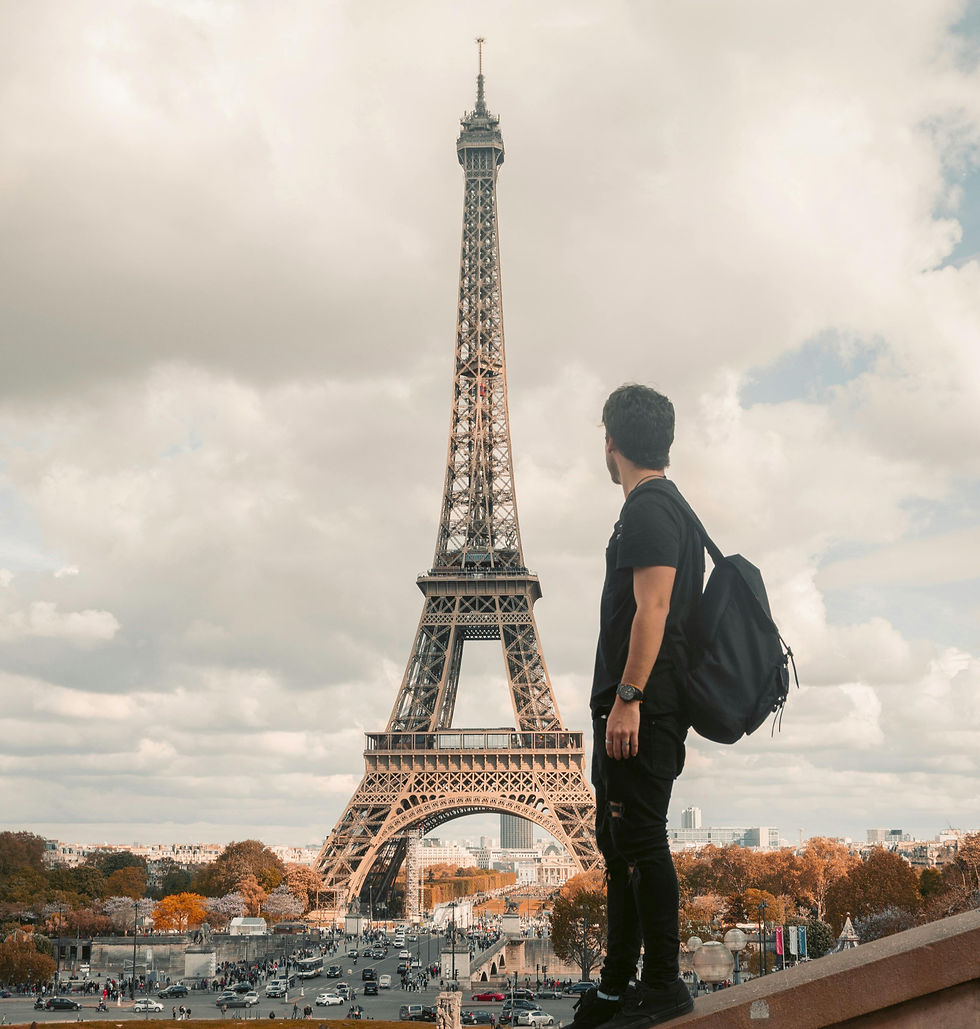
Anthony Heard: You know, I, I have to be honest, I, you know, I, I, the nature of the job I was in meant that. I, I was sort of on call a lot of the time for other people, and it, it undoubtedly, you know, you have to learn to say no. Um, and I think that's a good starting point before you travel anywhere, at any time, but particularly at Christmas, you know, it's, or the holiday season generally it's, it's very busy.
And here, it's inevitable that most of the major engineering works on railways are done over that period. Most of the bad, um, traffic jams are over that period and inevitable that the airports will be absolutely full. Uh, particularly Heathrow, which is only 30 miles from us, and that will be horrible or the whole of December. And, uh, the first two weeks of January were horrible. So plan before you go, I would say, and and the old phrase, "fail to plan, plan to fail." It will bite you in the backside if you don't do it right, you know? Um, another one phrase that I remember a colleague of mine always used to use, "if you haven't got a map, then any road will take you there."
You know, you have to know what it is you're going to do. Before you go. Ask if you, and we were, you know, traveling up to see family, what are we gonna be doing? And it's not being rude. It's like, how can we best prepare to make use of your time and our time? Well, you know, we, we can't wait to see you, but, you know, can you just tell us what's involved?
Are we gonna be expected to do a lot of walking? Because let me just say an hour's about as much as I can do now without, you know, being not so good the next day. Um, what's the climate like, you know, research that, what's it gonna be like next week? Um, that determines again, what clothing am I gonna take?
How am I gonna get there? You know, what are the route gonna be like at this time of year? Um, what is the usual route? But I need a backup route as well because it here, certainly in the UK, the, the main route will always be blocked here, it will be full. So get an alternative route as well to maybe circumvent some of the worst, um, of, of it, you know?

Anthony Heard: Um, always in the UK take an umbrella. I mean, be prepared, um, for where you're gonna stop, you know, rest stops. Where can you get rest if you need rest, uh, uh, and food, you know, and hydration. Um, also, uh, here check your insurance before you go. This sounds ridiculous, doesn't it? But I mean, check, because you know, and I don't just necessarily mean your health insurance, I mean the insurance for your house, you are, if you are away for a week, something could happen.
And it did with us. We had it in the past. Um, and you may get a leak or something like that. So double check, what are you covered for? Because you don't want a headache when you get home, you know? Travel in, in any sense, is a stress. However easy you make it, it is a stress. There's no question. And fibromyalgia will react to it.
There's, there's not a lot you can do about it, but you can at least make it as smooth as you can. Um, uh, and that's the best one can hope for, I think. Uh, but yeah, check your insurances. Your health insurance for sure is important. You know, are you covered? Depending on where you're going in summer, I mean, I know this isn't summer, but take a fan.
I mean, that was, but in, in June when we were in, uh, we went up to the east side of England. And, um, it was boiling. I mean, it was 90, 85, 90 for a week, and that's unheard of really for June. But even so, this summer's been exceptional anyway, but yet a fan, I mean, even just these little handheld things - so important. It's, it's so hot, you know.
Um, plenty of bags. Take plenty of bags, you know, tote bags that you can fold up, put in the car, um, so that whenever you get, wherever you've always got something to grab. If you're shopping or buying anything, you, you know, you, you, again, it makes it easy for you to carry things, um, et cetera, you know.
Um, a lot goes into the prep, I would say, you know, but, um, before all of that, I would say be positive about it, you know? Look forward to, I mean, we, we love our trips. You know, we've done three major ones this year, um, to parts of the country we haven't really been to that much before. Um, and that's what we enjoy doing, 'cause there's so much of the UK we haven't seen. It's only about 900 miles from one end to the other, uh, uh, of the length of the country. And, um, bits of it, we just haven't seen. I mean, it's time to do that, I think, you know, um, but, and be really, uh, enthusiastic about it. I mean, nobody wants a pity party, do they?
When you get to your destination and you're with family and friends and so on. Yeah. I don't say, you know, you should be turning cartwheels, but, you know, be honest. Yeah.
Stacy Griffin: Well, I think, I think anything we can do...
Anthony Heard: Yeah.
Stacy Griffin: ...to anything we can bring in our kit, anything that we can do that makes it. So that we don't have to discuss it and can absolutely just enjoy our experience is the best.

Anthony Heard: Absolutely.
Stacy Griffin: No one's gonna think it's odd if you say, "Hey, I need to go and grab my lotion." No one's gonna think that's weird. They're just gonna be like, "oh, okay, cool." They don't need to know, if I don't grab this lotion, I'm literally gonna lose my mind because I'm coming outta my skin.
Anthony Heard: Yes.
Stacy Griffin: We don't have to share that. We can just go, hey, it's normal. I've got this problem addressed, and we can move on.
Anthony Heard: It's what I do.
Stacy Griffin: And enjoy our holiday and not, and not stress ourselves or anyone else out.
Anthony Heard: We. As we know, if you surround yourself with negative people, you'll be negative. You know, there's no question about that. I think great believer in that, that I think if you, you have, um, a positive outlook, then you can go a long way with it. It doesn't solve everything, of course, you know, it'd be ridiculous to suggest it does, but, um, you know, you get it back, I think in spades. Anyway, that's my opinion anyhow.
Um, block some time out when you get back. That's another major one, you know? So I would say, look, don't take anything. Um, for the first three days, we'll just rest, chill out. You know, we need to just get over the traveling, get over the, um, the journeys and, and the traffic jams or whatever, you know, um, turn off notifications, that's a good one. On, on your mobiles, uh, and all sorts of com. All, all our other electronic kit because you are away, you know, forget that for a week or two or whatever it is, you know, or a few days you don't need to be. Advised within seconds of something happening, you know, the world will still be there. Honestly, next week it really will, you know, the sun will still come up. It always does. So, uh, we tend to do that. You know, that once we get, um, into the, into the car on the motorway, you know, but we'll turn off the notifications, um, because I think that's only, uh, uh, helps you again, it helps you to get relaxed, enjoy, um, and so on.
Don't forget all of your charging apparatus, you know, your charges of all sorts because, um, you know, even if it's for your toothbrush, which I, you know, you need a charger for my electric toothbrush, you need a charger for the phones, charge of a headphones, charge of just about everything else, you know? Um. Try to give yourself a bit of peace of mind before you go in terms of your house as well.
You know? So for us it's getting into the routine of making sure everything's been watered, the garden's sorted out, the neighbors know where we we're gonna be, you know, if there's any massive problem, you know, they can get hold of us. Um, and also, you know, tell them, you know, to keep an eye out kind of thing.
Although we've all got door cams and all this security stuff. But also remember, stress is a, is a big cause of fibromyalgia flareups and travel will cause stress. There's no question about that. You know, if you get in a car, you, you are gonna be stressed because there's a lot going on. Uh, uh, roads are busy. Airports are, I, I, I dread to think, well, they're like, now I really do. They were bad enough before COVID, but now I, I have no idea, um, how bad it would be.

Anthony Heard: Um, diet changes can cause a flare up. So again. Don't get tempted to, and, and I did, I've learned this through experience, so you know, don't do what I did. We were, again, staying with family, not this time, but a few times before, and I know I can't have caffeine, but I couldn't resist an espresso after a big meal. And lo and behold, the next... I couldn't sleep. And the next day I felt awful. My head was bashing away, you know, and I knew I shouldn't have done it, but I did it, and I would never do it again.
I had one espresso, a cup that big. That's all. And it's, it's enough. You, you know, fibromyalgia doesn't take prisoners. It doesn't, if it, if it doesn't work for you. You have to drop it. You have to, don't do what you would nor don't ignore what you normally do just because you're with someone else and being encouraged or, or, or, or sort of feel that you are, you are not joining in or whatever.
You just have to stick to your, your, um, guiding, uh, principles if you like your guiding rule book really. 'cause that's what it is. It's your new rule book of life really, isn't it? Um, be honest with yourself. You know, I think that's also very important, you know, because it's very easy, isn't it? So, oh, we'll just do another half an hour or, or we'll just go, you know, tomorrow we'll go. Um, we were in Harrogate, but let's go to York now. That's quite a trek. You know, York is a busy city. Maybe after Harrogate in one day is enough, you know. Leave a gap of a day, do nothing tomorrow. Think about York another day. You know? So don't be tempted, you know, be honest with yourself. You know, remember those times where you did push things a little bit too far and then inconvenienced yourself and everybody else as well. That's the problem, isn't it?
Um, so yeah. Think of others as well when you are, when you are doing these things because. Being dishonest with yourself and pushing beyond your real capabilities is not gonna help anybody. Um, and I think that all goes in with the communication as well before, before you set out in some ways, doesn't it?
I mean, if you know you're open and honest about it, everybody will accept it. I mean, and, and to be fair, I don't miss out doing much that I would normally have done anyway. I can't think that, oh, I feel awful that I couldn't do certain things because I do most of what I do, but much slower I suppose. But, um, you know, you, you just do.
Uh, the other thing to take of course, is reading material, writing material, very important. You know, note anything down, particularly for me, I, I, I just love researching where I'm going before I go there to know what is it, what's the history of this area, what's the culture gonna be like? Um, and so on, you know, it's so important, um, and as I say right at the very start, don't give up travel. You've got to go and see things. You've got to go and, and, and do other things and, and push yourself a bit, you know, but within your, your capabilities and limits.

Anthony Heard: I mean, other than that, I've also noted down one thing that my specialist said. Some years ago, what, not, not long after I'd got ITP, funnily enough, we were going to Boston and I said, "Can, can I go to Boston with my ITP?"
And he said, "Well, you can't go without it. You know, you are gonna have ITP wherever you go, you are gonna go with it. There's no other option. So go, you know, just go enjoy it, you know, and, and have a great time," um, providing your plate... again without, um, uh. I have to reemphasize, you know, we, we are not healthcare professionals and each person will be different. My situation was that my platelets were normal. They were about 120, slightly less than normal. 150 is normal and, and, you know, risk versus reward. My doctor said, yeah, you're stable. You've been at that level for the last year pretty much. I don't see a big risk, you know, so it has to be individual cases. So, you know, of course, be, be, uh, vigilant and talk to your specialist before you do anything like that.
Um, particularly flying, but just tell 'em what your intentions are, and if they've got any concerns, they'll flag them up, you know, they will. And, and they may even give you a few hints and tips that others have passed on to them. I'm sure they will, you know, and there, there may also be other...
Stacy Griffin: And generally they'll encourage you as well, I mean Oh,
Anthony Heard: Absolutely.
Stacy Griffin: Yeah. They, they want us to live good lives because then we're happier. And when we're happier, we're healthier. And as long as...
Anthony Heard: Absolutely.
Stacy Griffin: We can put into effect some of the things you've told us today. Then it allows us, it allows us to find that space where we can still travel, even though we have these different challenges that we have.
Anthony Heard: Yeah, very much so. It's trying to prepare as much as possible to make it as easy as possible on yourself. Um, so that you and everyone around you can really enjoy the time that you're gonna spend, um, and you get the most outta it.

Stacy Griffin: We really appreciate Anthony coming back to share with us about his holiday travel experiences and how he accomplishes it with such grace.
But before we hear from our next guest, we want to quickly mention one tool that often comes up in travel conversations with people who have chronic illness, and that is the sunflower lanyard. It's a simple green lanyard with yellow sunflowers. The quietly signals you have an invisible disability. Many airports around the world recognize it. And let's, and it lets staff know that you need extra time, patience, support, no long explanations needed.
Becky Miller: If this sounds like a tool that would be helpful for you, we've put an Amazon affiliate link on the screen and we will also put it in our show notes. Our friend Chelsea Strait, who recently joined us on episode 25 and shared her story of living with Cowden's and Sjogren's syndromes, uses the sunflower lanyard whenever she travels, and is here to share some of her travel tips.

Chelsea Streit: The sunflower symbol for invisible disability. Um, and I always wear that and it's, and then I can be boarded no problem. Which, which, which helps to, because I, I, um, I, I've, I've always had learning disabilities and stuff in schools, so some, and that's actually diagnostic criteria for Cowden's, is cognitive stuff. But, um, so like just allowing me to find my seat number quicker, and then sometimes I am a little bit of a slow poke and you know, just pre-boarding really helps with my anxiety. And then that sunflower symbol, like they're, they're always like helping you and they have like, reserved seating in the UK airports, you know, that's quieter and more relaxing so that, that sunflowers symbol has helped tremendously.
And then like, always like making sure I, I, I stay on top of my medication 'cause sometimes I get a little lax with that. And then like, also being able to like check your bag so you don't have to like lug it all over the airport really helps. Um, and then, um, and then I think I, I did kind of make a mistake with not kind of scheduling enough rest time.
So I, I definitely learned my lesson on that, but I think that also helps, helps tremendously. And then, and then, you know, and also like taking care of myself. 'cause I'm in a totally, totally different climate and I've. Like one time I went over there [United Kingdom] and I got a massive, massive sinus infection. So it, it's just like always making sure you wash your hands, bundle up. I mean, I do that anyway here, but I'm, I'm like extra careful about it when I travel.

Becky Miller: Thank you Chelsea, for coming on and sharing your wonderful travel tips. Okay. So we'll do, we'll finish this off with talking about what we have learned the hard way ourselves while traveling.
Stacy Griffin: For me, I think one of the biggest things that I have learned is that I have to be careful with my food intake and my inflammation management when I'm out and about. So, I like to bring safe snacks. I always have hydration. I have learned that when I travel, I get more dehydrated more easily, and that's bad for your kidneys. So I do the very best I can to have a water bottle on hand or make sure that I purchase enough water that I am good. I have really been derailed more times than I can count by that whole, "I'll figure out food later." No, I won't. I never do. It always ends up being a disaster, and then I either get gluten-ized or I don't eat enough, and then I get dizzy and it's...you, you don't figure out food later. Food is something you figure out before you go so that you are covered. That's one of my big things.
Becky Miller: For me, it is absolutely pacing. Um, I have to not try to be superwoman, especially on my travel days. Um, if we land at 3:00 PM and there's a big event at five, that is just not something I should be doing anymore. That's a big no. Um, I know that in my younger years when I didn't have as many chronic illnesses, I would hit the ground running as soon as I was off the airplane, um, or out of the car, 'cause sometimes it's a, a road trip, but I need some recovery time now. And I kind of have to portion out my energy according to what we're doing.
A really good example recently was when, um, I traveled up for Alysia's daughter, Kenzie, her oldest, was getting married, and we were traveling up to Idaho for the wedding. And we had a wonderful time. And the day of the wedding, it was absolutely beautiful. Um, both Alysia and I, understandably, were on our feet all day long. And the next day, all of our kids, all the cousins were excited and wanted to go see and do and everything, and they're like, "When are you guys coming with us? Where are we gonna go?"
And both of us were just like, "Nope. We love you guys. Have fun. You have all your older cousins who can drive. Everybody get together. You can have a wonderful cousin outing, and mom and Auntie Becky are going to crash on the couch or take a nap, or whatever we need to do, because. If we're gonna survive the next few days, we have to recover from yesterday."

Becky Miller: And so whether it's a wedding or a holiday celebration, give yourself time on both ends, both when you're coming and going. And sometimes, like I said, in between if you have a big event that's gonna wear you out. Kind of pace yourself. That is definitely my biggest one.
Stacy Griffin: I wanna remind you that it's okay, like Becky said, to build that time in. It's okay to leave early if you are feeling taxed, and it's okay to build in downtime, and it's important to learn to say no. Especially during the holidays, there are so many things to say yes to. We wanna say yes to everything that people ask us to do, but the truth of the matter is that doesn't serve us. And then in turn, it doesn't serve them. No one is gonna be happy if we crash and burn, because we did something that didn't have to be as high maintenance and didn't have to be as busy or didn't even have to happen. We think we have to do all the things all the time, and that really isn't how it should be.
So build that in. The goal isn't a perfect holiday. It is a holiday that you can actually enjoy and recover from without crashing for an entire week afterwards. That's what the goal should be.
Becky Miller: Exactly. Traveling with chronic illness does take prep, but it also gives you a chance to design a trip that will work for your body.
I mean, depending on, I know sometimes when you're going to family events, it might be, see how things go when we get there, but plan to the best of your ability, um, and just give yourself permission to travel differently. It's, it might feel weird to the people around you that don't have chronic illness and don't understand, but that's okay. Be comfortable with traveling differently.

Stacy Griffin: We have to remember that protecting our health and our energy isn't a weakness. It's wisdom. It's important that we do that. So we hope that this episode, this time that we spent together with you, with Chelsea and with Anthony, we hope that you will take some of the advice that they gave, and use it for your holiday season wherever you're going. We hope you have a wonderful time. Take care of yourself on the way and enjoy your holidays.
Becky Miller: Join us next week. We're gonna discuss how to keep your holiday meals and treats merry and bright without all the inflammatory ingredients.
Until then, remember, you are worthy of joy. Disease does not define your life. You do.
HELPFUL LINKS:
Sunflower Lanyard to alert airport personnel about invisible disabilities - https://amzn.to/4rGZf03
Magnesium Cream for leg cramps and muscle relaxation - https://amzn.to/3LWufsv
Deep Heat - For cramping or sore muscles - https://amzn.to/4okp96A
Arnica Gel - For bruising and minor pain - https://amzn.to/3M28tDz


Comments